
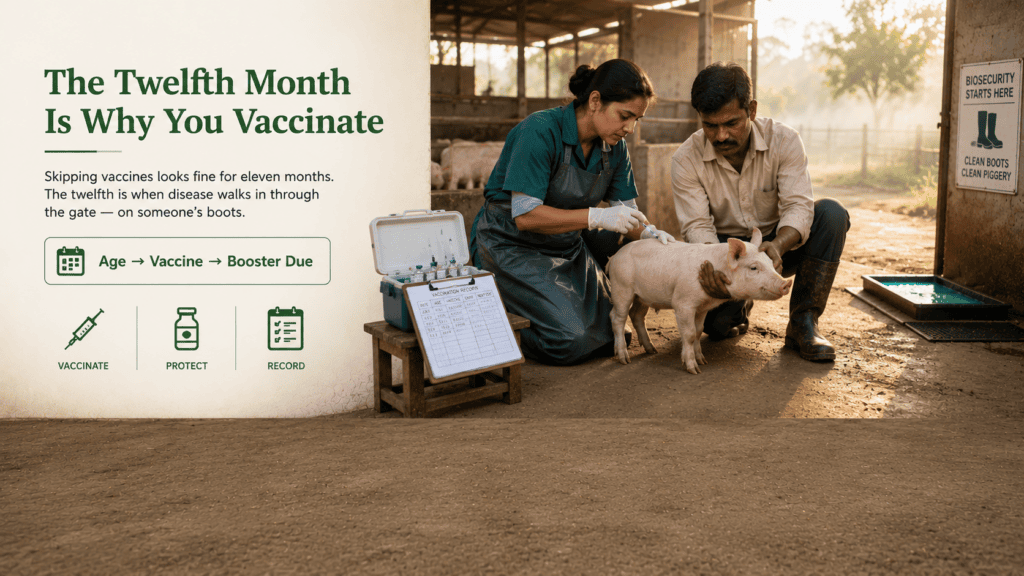
A pig vaccination programme is the cheapest insurance a piggery can buy, and it is almost always the first thing cut when money is tight. That decision looks rational for about eleven months. The twelfth month is when a disease walks in through the gate on somebody’s boots and takes the shed.
This checklist sets out what a pig vaccination schedule in India actually contains — which vaccines, at what age, when the booster falls due, which diseases no injection will save you from, and what to write down each time. It is built on published government schedules rather than general advice, and it is not a substitute for your own veterinarian, who knows what is circulating in your district.
The three core vaccines on an Indian pig vaccination schedule
Assam Live Stock and Poultry Corporation, under the Government of Assam, publishes a vaccination schedule for pigs that is as good a starting point as exists for Indian conditions. Three diseases are covered.
| Disease | Vaccine named in the schedule | First dose | Booster | Repeat |
|---|---|---|---|---|
| Swine Fever (Classical Swine Fever / Hog Cholera) | Lapinized swine fever vaccine | 25–30 days | One month after the first dose | Every 6 months |
| Foot and Mouth Disease | Cell culture vaccine (e.g. Raksha-Ovac, Clovex) | 42 days | One month after the first dose | Every 6 months |
| Haemorrhagic Septicaemia | Raksha-H.S. vaccine | 2 months | One month after the first dose | Annually |
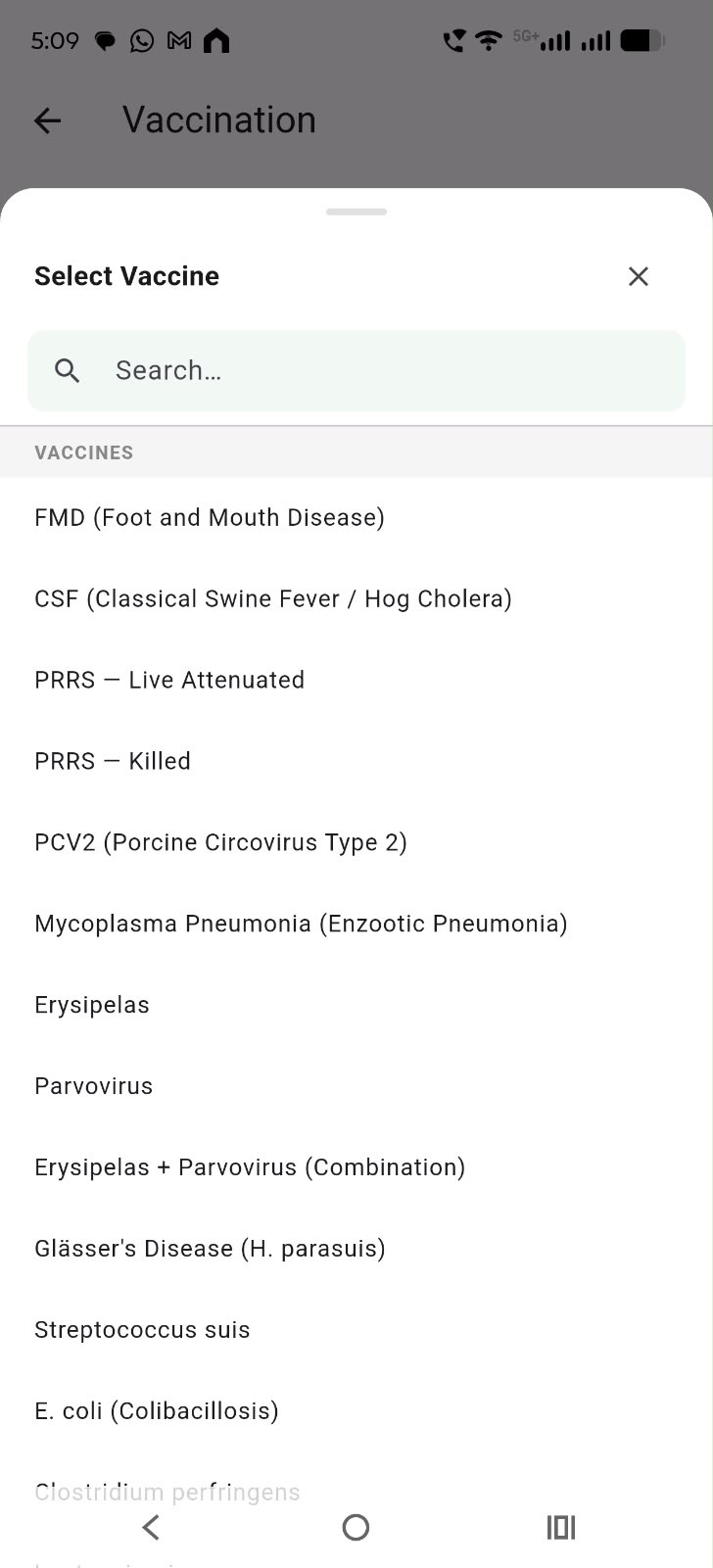
First dose and booster by age in days, from the ALPCO schedule (swine fever plotted at the midpoint of its 25–30 day window; boosters plotted one month after the first dose). After the booster, swine fever and FMD repeat six-monthly and haemorrhagic septicaemia annually.
Classical swine fever is the one to get right. Meghalaya’s standard operating procedure for the disease describes it as “a highly contagious, dreadful disease affecting susceptible domestic and wild pigs causing 100% mortality in piglets”, and notes that in practice “there is a dearth of availability of vaccine in India and vast majority of pigs are not vaccinated against CSF”. That second sentence is the reason outbreaks keep happening: the vaccine works, and most pigs never get it.
Why the booster is not optional
Every entry in that table has a booster a month after the first dose, and the reason is worth understanding rather than just obeying. A piglet is born with almost no immunity of its own and acquires antibodies from the sow’s colostrum in the first hours of life. Those maternal antibodies protect it — and they also interfere with a vaccine given while they are still circulating, because they can neutralise the vaccine before the piglet’s own immune system has responded to it.
The first dose is therefore timed as a compromise, and the booster exists to catch the animals in which the first dose did not take. Skipping it does not give you half the protection. It gives you a herd where an unknown proportion of animals have none, which is functionally the same as an unvaccinated herd once something starts spreading.
The disease no pig vaccination will save you from
African swine fever has been present in India since 2020 and has reshaped pig farming across the Northeast. India’s National Action Plan for African Swine Fever is blunt about the position: mortality “as high as 100%”, and “no vaccine or drugs are available to prevent ASF infection at present”. Control rests entirely on biosecurity, movement restriction and stamping out.
The plan’s core instructions for farmers are not complicated: stop swill feeding from domestic and restaurant kitchens, keep the farm under strict hygiene, and comply with movement control when infected and surveillance zones are declared. ASF is a notifiable disease in India under the Prevention and Control of Infectious and Contagious Diseases in Animals Act, 2009 — an outbreak must be reported, not managed quietly.
This matters commercially as well as clinically. Movement restrictions during an outbreak close markets, and a farm with no way to reach buyers outside its immediate area is the one that gets hurt worst — part of the same fragility that shapes common pig diseases and their prevention in normal times.
The situational vaccines, and when they earn their place
Beyond the core three, there is a longer list of vaccination options available against porcine circovirus type 2, mycoplasma pneumonia, erysipelas, parvovirus, Glässer’s disease, Streptococcus suis, colibacillosis and PRRS. Whether any of them belongs on your pig vaccination schedule depends on your herd’s history, not on a generic list.
The honest rule of thumb: an additional vaccination is worth discussing with a vet when you have an actual pattern to point at. Repeated litters scouring in the first week points one way; wasting and rough coats in weaners point another; abortions and mummified piglets point somewhere else again. A vaccine bought without a diagnosis is a cost, not a control. This is exactly why treatment records matter — a year of notes on what actually went wrong turns a guess into a decision.
Deworming: the half of the checklist people forget
Vaccination protects against specific infectious diseases. A vaccination does nothing about the worms that quietly convert your feed into nothing, and on many smallholdings parasite control is where the easiest gains sit.
The ICAR-National Research Centre on Pig’s Package of Practices for Organized Pig Farms gives one timing that belongs on every checklist: deworm pregnant sows between 100 and 105 days of pregnancy, to avoid transmission of worms to the litter across the placenta and through the colostrum. Get that one right and you start each litter clean; the wider deworming schedule for pigs is covered separately.
Five rules cover most of what goes wrong with deworming on small farms:
- Dose by weight, not by eye. Underdosing is the fastest route to resistance, and it is exactly what happens when a 70 kg pig is guessed at 50 kg. Weigh, or tape, then dose.
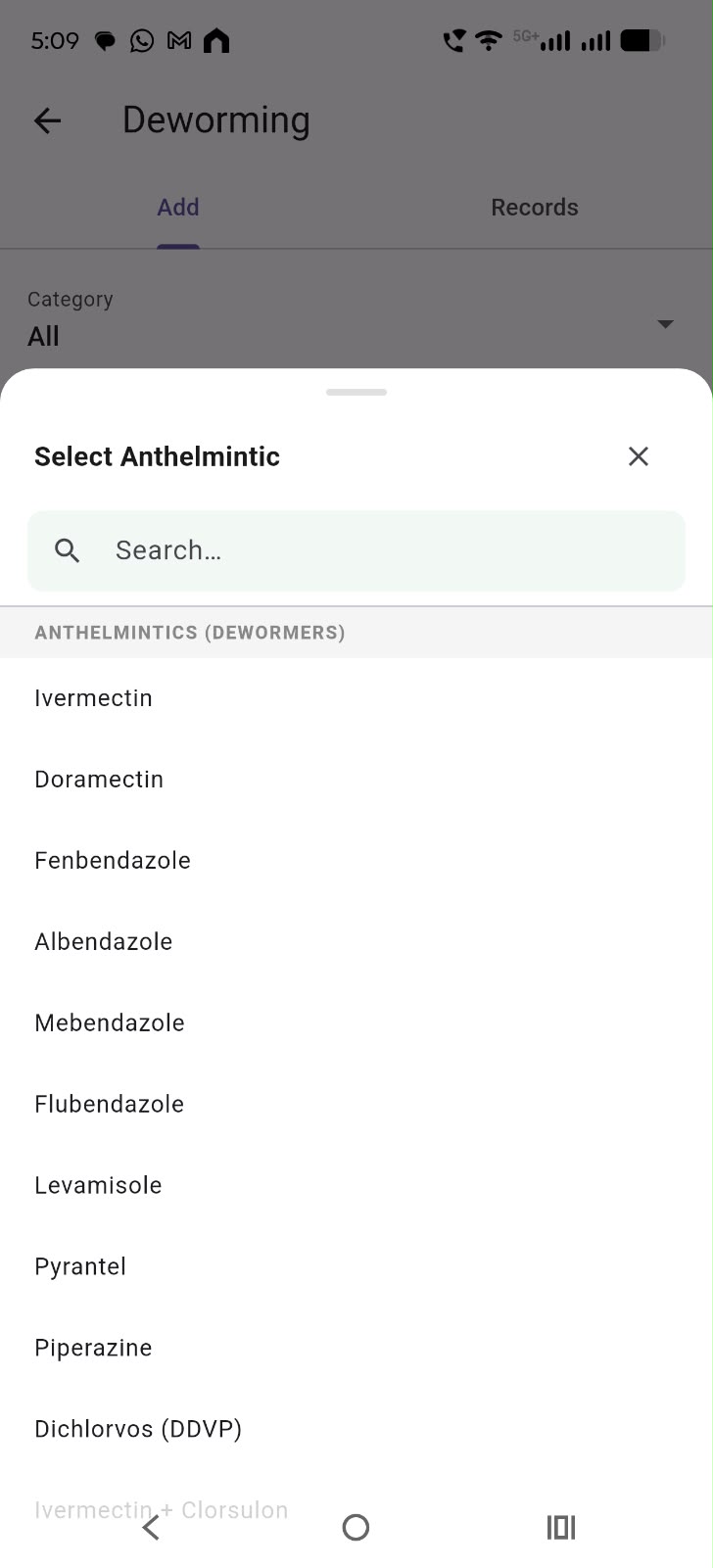
- Record the active ingredient, not just “dewormed”. Rotating between drug classes only works if you know what you gave last time — ivermectin and fenbendazole are not interchangeable notes in a diary.
- Treat the whole group together. Leaving two animals untreated in a pen reseeds the rest within weeks, which is doubly true for mange.
- Move to a cleaned pen afterwards. Treating pigs and returning them to the same contaminated floor gets you a shorter reprieve than you paid for.
- Respect the withdrawal period. Every product label carries a minimum interval between the last treatment and slaughter. It is a legal and food-safety requirement, not a suggestion — check it before you treat an animal you plan to sell soon.
The interval between routine treatments depends on the product, the parasite pressure on your farm and whether your pigs have outdoor access, so set it with your vet rather than copying a schedule from the internet. What matters more than the exact interval is that the treatment actually happens on the day it is meant to — which brings us to the real failure point.

Turning a checklist into something that actually happens
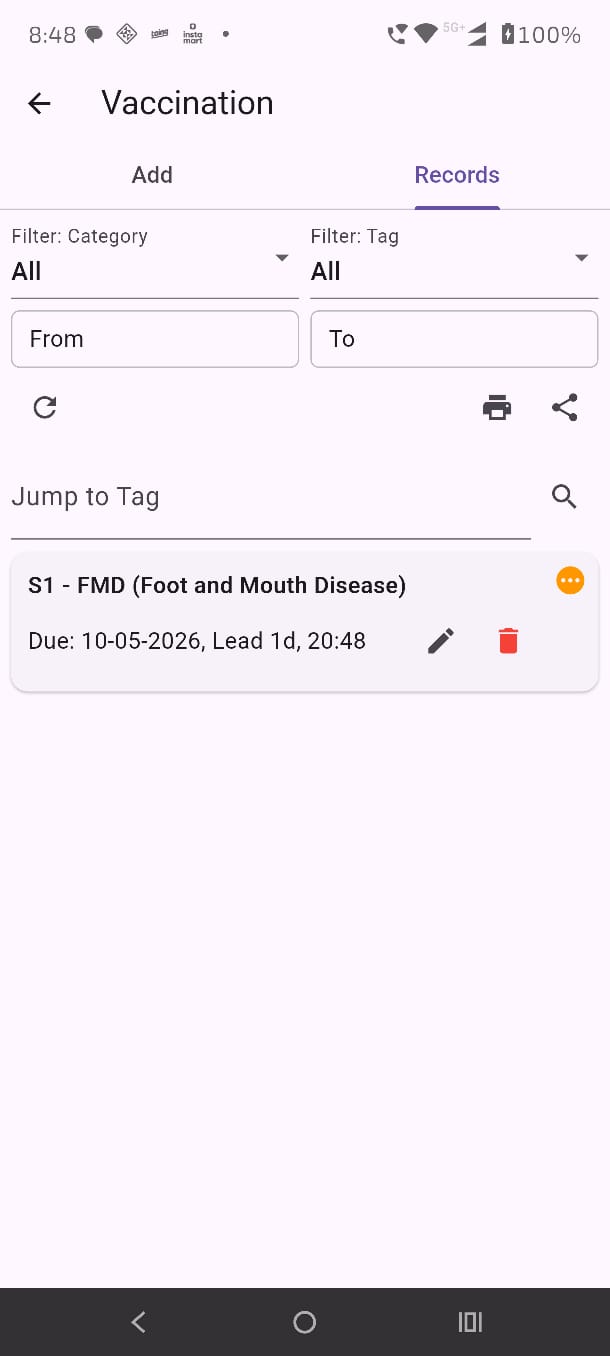
Here is the uncomfortable truth about pig vaccination on small farms: almost nobody disagrees with the schedule. They simply miss the dates. A booster due “one month after” the first dose has no natural reminder attached to it, and by the time anyone remembers, the litter is three months old and the window has passed.
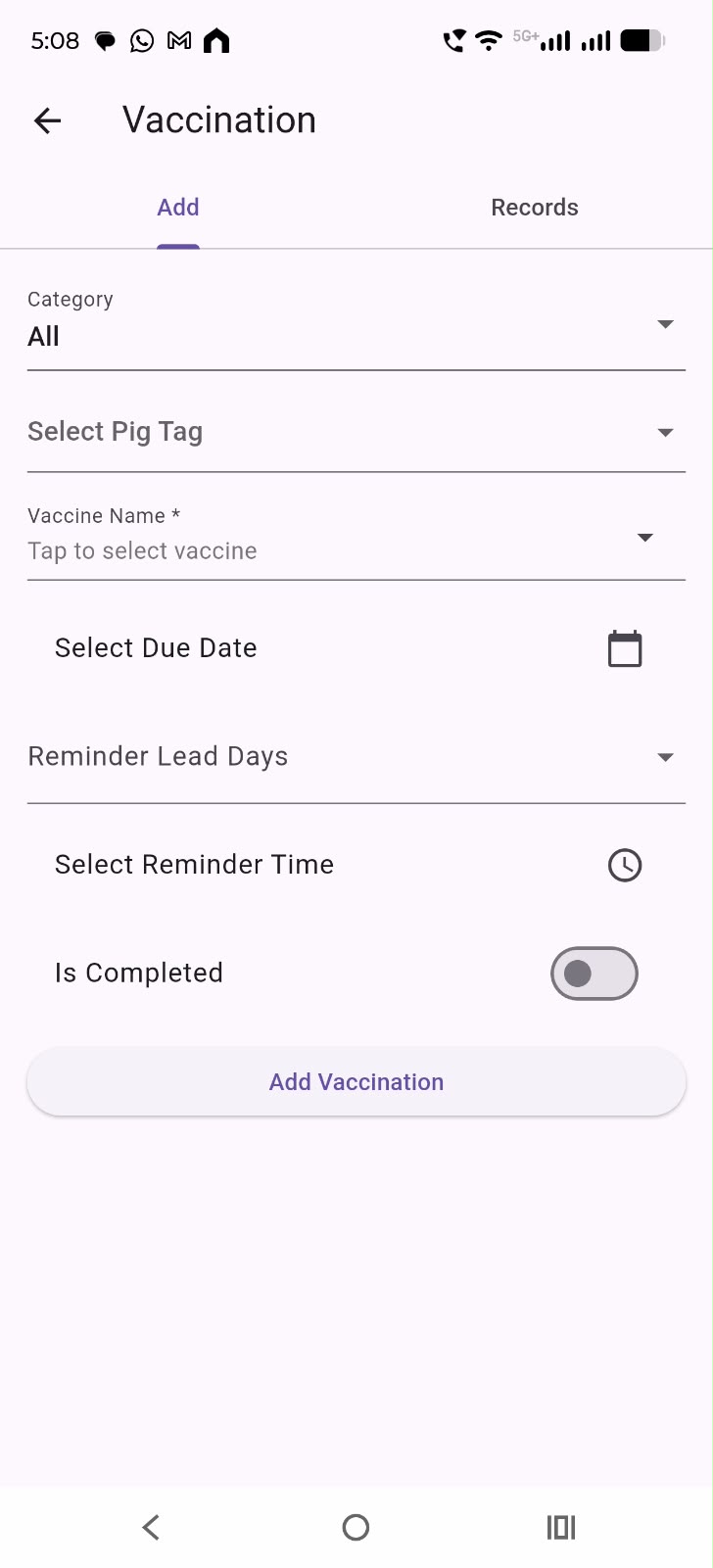
The fix is mechanical, not motivational. Every dose needs a due date attached to a specific animal, and a reminder that arrives before the date rather than after it.
Five ways a vaccination programme quietly fails
- The cold chain breaks. A vaccine that has warmed up on a two-hour bike ride may be worthless, and it looks exactly like one that works. Carry it cold, use it the same day, and do not keep opened multi-dose vials for next month.
- New animals arrive unvaccinated. Bought-in stock with no vaccination history is the most common way a disease enters a clean herd. Quarantine it away from the main sheds and vaccinate before it joins the group.
- Only the young stock get done. Sows and boars need their repeat doses too. An unvaccinated breeding herd undoes a well-run piglet programme within a generation.
- Sick animals are vaccinated anyway. A vaccination given to an animal already unwell may not produce a proper response. Note it and reschedule rather than ticking the box.
- Nothing is written down. Without a record you cannot tell a missed dose from a forgotten one, and neither can your vet.
The checklist, in order
- Day 25–30: first swine fever dose.
- Day 42: first FMD dose.
- Around day 55–60: swine fever booster, one month after the first dose.
- Two months: first haemorrhagic septicaemia dose.
- Around day 72: FMD booster.
- Around three months: haemorrhagic septicaemia booster.
- Every six months thereafter: swine fever and FMD.
- Annually: haemorrhagic septicaemia.
- Days 100–105 of every pregnancy: deworm the sow.
- Continuously: biosecurity — no swill feeding, controlled visitor access, quarantine for bought-in stock, and immediate reporting of suspected notifiable disease. No vaccination programme substitutes for this.
What to write down every single time
- Which animal received the vaccination, by tag — not “the litter in pen 3”.
- Date given, and the date the next dose falls due.
- Product name and batch number where the vial shows one.
- Dose and route, and the weight it was calculated from for dewormers.
- Who administered it, and any reaction observed in the hours after.
That record has a second life beyond herd health. A buyer looking at pigs with a documented pig vaccination history is buying a known quantity, and it is one of the few things a small farm can show that a trader cannot fake on your behalf. If you sell directly — and you can sell pigs directly in Northeast India — being able to say exactly what an animal has had, and when, is a real advantage in a market where pig health management drives farm productivity consistently outruns organised supply.
Take the next step: Try it free — no credit card required.
Manage Your Pig Farm from Your Phone. PigPal makes farm management simple — track vaccinations, breeding cycles, feed costs, and pig weights all in one app designed for small and commercial pig farmers.
Further Reading
Get new posts by email
Pick the topics you care about — we only email you when something new is published in them.